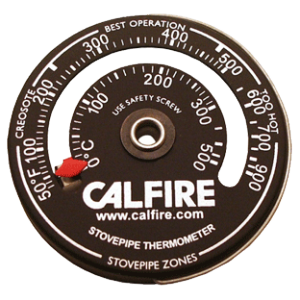
Backwoodsman have distributed wood burning and multi-fuel stoves and chimneys in Oban, Fort William and Lochgilphead and throughout Argyll, the West Highlands and Islands for over 40 years.
Our experience locally is unrivalled.
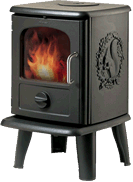

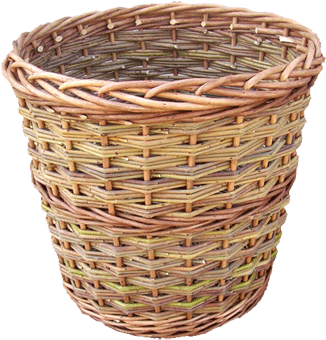
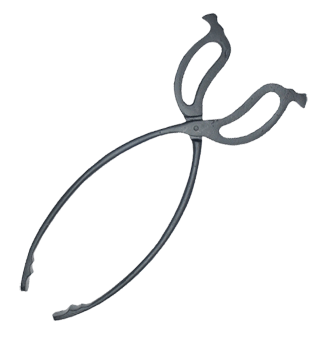
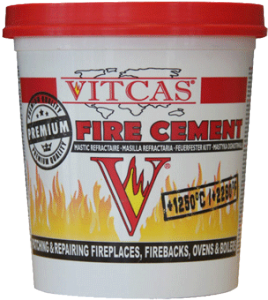
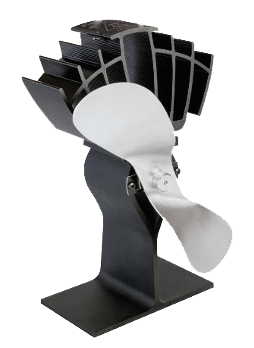
Browse our range of wood burning and multi-fuel stoves, chimney products and accessories including stove spares, log baskets, fire tools and stove paints.
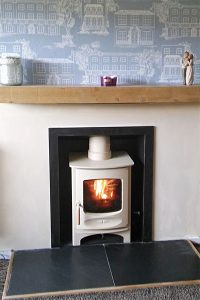
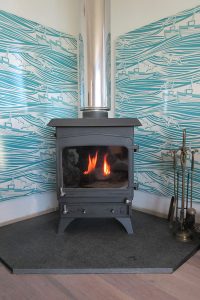
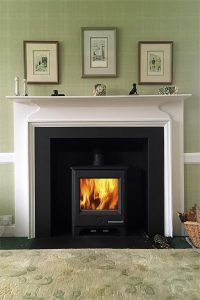
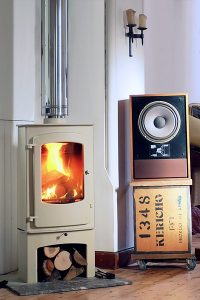
 Our Services
We provide our services to household customers in the Oban area, Argyll and throughout the West Highlands as well as architects, trades, developers and local authorities. Read on…
 Your First Stove?
If you are just starting to think about installing a stove but don’t know where to begin then our ‘First Time Buyer’ guide is an excellent place to start.
 Knowledge Base
Find comprehensive information on stove installation, chimney theory, heat loss calculations, fuel, technique and more in our Knowledge Base.
 Stove FAQ’s
For a list of our most commonly asked questions about wood burning and multi fuel stoves try our FAQ section. If you can’t find an answer to your question, please contact us directly.
Portfolio 
View a selection of photos from recent installations around Oban, Lochgilphead, Fort William, Argyll, the Islands and the West Highlands.
Testimonials 
Comments and feedback from some of our many satisfied customers around Oban, Lochgilphead, Fort William, Argyll, the Islands and the West Highlands.
New Products
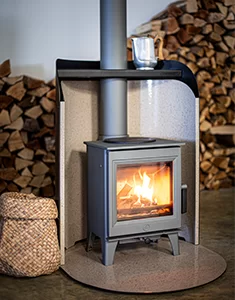
Charnwood Cranmore 3
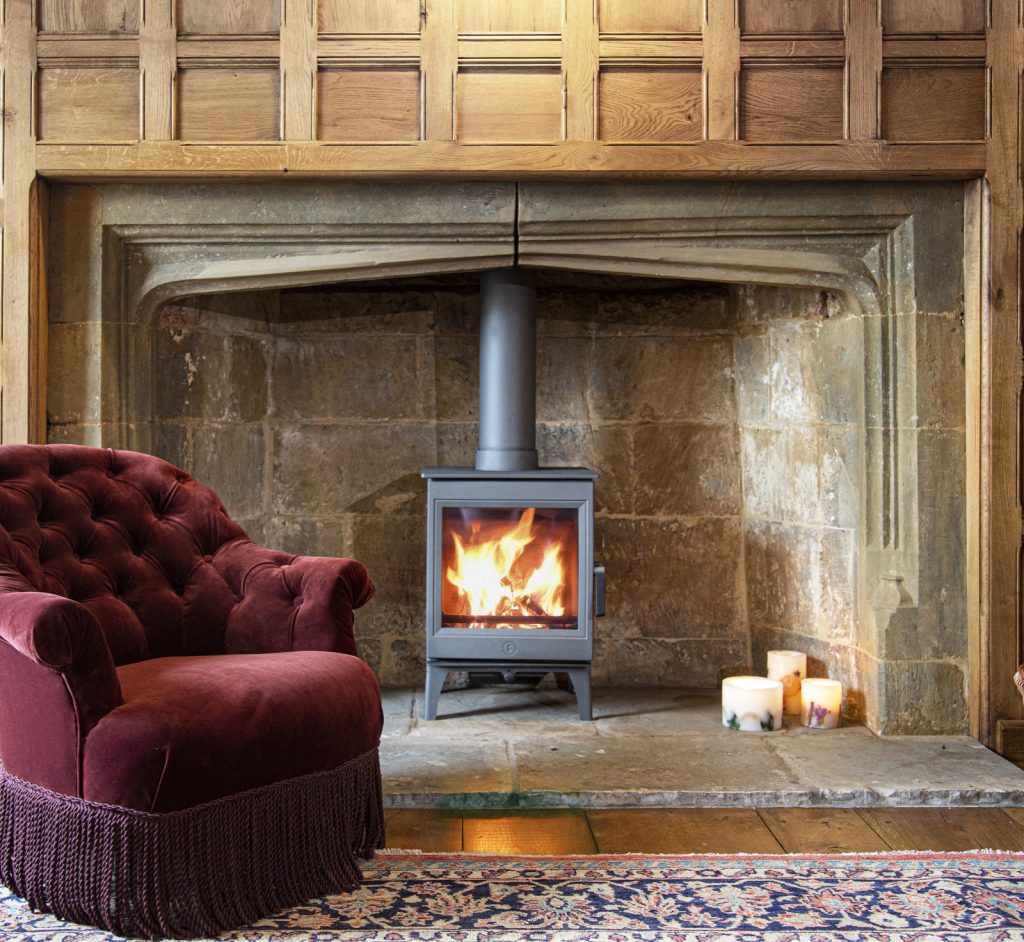
Charnwood Cranmore 5
Woodwarm Fireview Eco 5kW
Latest News
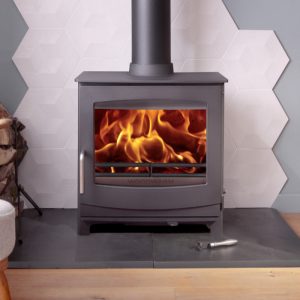
Are stoves going to be banned?
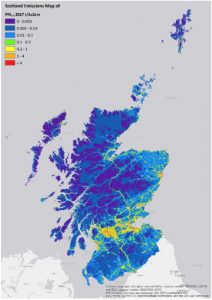
Which? Report on stoves
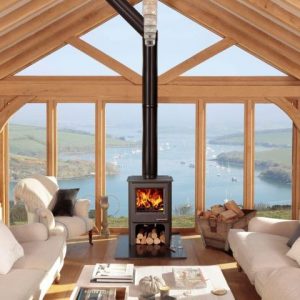
Changing a Woodwarm door seal
Search our website
With over 60 products listed on our website, and over 100 topics within our Knowledge Base, you may need a little help finding what you are looking for. Use our search box to help: